
"Mozambique exports"
158 article(s) found
Have a comprehensive understanding of coffee
Legend of Coffee the person who first discovered coffee: a shepherd in Ethiopia, in the fifth and sixth centuries AD. It is said that Niankadi, a shepherd with talent as a poet, herded sheep on the mountain paths of the Ethiopian plateau every day. He liked to drive the sheep home with a shrill flute, but one day the flute sounded again and there was no sign of the sheep. He looked everywhere. Find sheep

What kind of coffee is there in Spain? 9 Flavors of Spanish Coffee
Professional coffee knowledge exchange More coffee bean information Please pay attention to coffee workshop (Weixin Official Accounts cafe_style) Picasso, Miro and Dali, the world's three major surrealist painters, Gaudi architecture, flamenco dance, bullfight and Don Quixote, all of which come from Spain.

What brand of coffee beans? introduction to the main producing areas of coffee in the world and the types of representative coffee beans
Professional coffee knowledge exchange more coffee bean information please follow coffee workshop (Wechat official account cafe_style) Asian coffee bean origin: Indonesia (Indonesia) well-known representative coffee: Java, Sumatra Sumatra Mandheling) Indonesia produces coffee beans mainly in Java, Sumatra, Sulawesi, three islands

What are the characteristics of Latin American coffee, African coffee and Asian coffee? China Coffee Network
1 Latin America [Jamaica] mentions Jamaica, and we immediately hear of "Blue Mountain" coffee. Rare and expensive true blue beans, originally from the Wallensford Coffee Garden, have now been expanded to the Blue Mountains with an altitude of more than 1000 meters. As long as the tree species and treatment procedures of the manor meet certain standards, the government will issue

What are individual coffee beans? what are the types of coffee beans in the world? a complete collection of coffee beans.
Professional coffee knowledge exchange more coffee bean information Please pay attention to the coffee workshop (Wechat official account cafe_style) individual coffee beans refers to the classification of coffee beans, that is, a single variety of coffee beans from a single origin is called single product coffee beans. In principle, it has nothing to do with the type of coffee drinks made, but now when people refer to individual coffee, they refer to dripping coffee.
The main producing areas of coffee in the world
The main producing areas of coffee in all countries of the world:
Coffee producing areas Coffee producing areas in the world
1 South America [Colombia] is the world's second largest coffee producer, accounting for about 12% of the world's annual production, although far less than the first Brazil's 30% to 35%, but most of them are high-quality alpine washed beans. Central Colombia is divided into several valleys by three north-south vertical mountains, of which the central and eastern mountains are the main coffee producing areas. Coffee here.

The main producing areas of coffee in the world
1 South America [Colombia (Colombia)] is the second largest coffee producer in the world, accounting for about 12% of the world's annual output, which is much lower than that of Brazil, but most of them are high-quality mountain-washed beans. Central Colombia is divided into valleys by three north-south longitudinal mountains, of which the central and eastern mountains are the main coffee producing areas. Coffee here
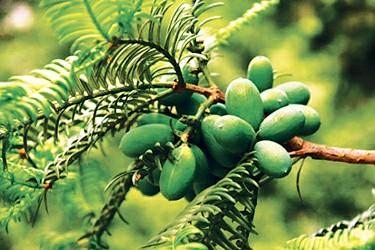
Coffee cultivation: what are the differences between different tree-shaped coffee beans in different producing areas?
There are four kinds of coffee trees in the world, of which only two are of real commercial value and are planted in large quantities. One is the Elaraby species (ARABICA), the other is the Robasta species (KOBUSTA). Different varieties of coffee beans have different flavors, but even the same varieties of coffee trees have their own unique flavors due to the influence of different soils and climates. Allah

Coffee in the world's major coffee producing areas common knowledge
1 South America [Colombia] is the world's second largest coffee producer, accounting for about 12% of the world's annual production, although far less than the first Brazil's 30% to 35%, but most of them are high-quality alpine washed beans. Central Colombia is divided into several valleys by three north-south vertical mountains, of which the central and eastern mountains are the main coffee producing areas. Coffee here.
Analysis of producing countries of High-quality Coffee beans in Coffee Bean producing countries
1 South America [Colombia (Colombia)] is the second largest coffee producer in the world, accounting for about 12% of the world's annual output, which is much lower than that of Brazil, but most of them are high-quality mountain-washed beans. Central Colombia is divided into valleys by three north-south longitudinal mountains, of which the central and eastern mountains are the main coffee producing areas. Coffee here

The basic knowledge of coffee in the main producing areas of coffee all over the world
1 South America [Colombia (Colombia)] is the second largest coffee producer in the world, accounting for about 12% of the world's annual output, which is much lower than that of Brazil, but most of them are high-quality mountain-washed beans. Central Colombia is divided into valleys by three north-south longitudinal mountains, of which the central and eastern mountains are the main coffee producing areas. Coffee here

Introduction of fine coffee producing areas in Africa-- painstaking finishing
Professional barista communication Please follow the coffee workshop (official Wechat account cafe_style) mention Africa, people's first impressions are: desert, drought, tribe, poverty, mystery and so on. Because of its climatic environment, it has become a paradise for the growth of coffee trees. Today, the editor will share with you some important coffee producing countries in Africa. Coffee Belt and Coffee production Coffee production

What are the characteristics of African coffee beans? introduction to the species of African beans
. Colombia is the world's second largest coffee producer after Brazil. Is the leader in the country that produces Colombian mild. The name of origin has become a well-known name for coffee, such as Medning, Manizarez, Bogota, Almenia and so on. Coffee beans are light green and large-grained, according to their unique thick flavor, whether pure coffee or mixed
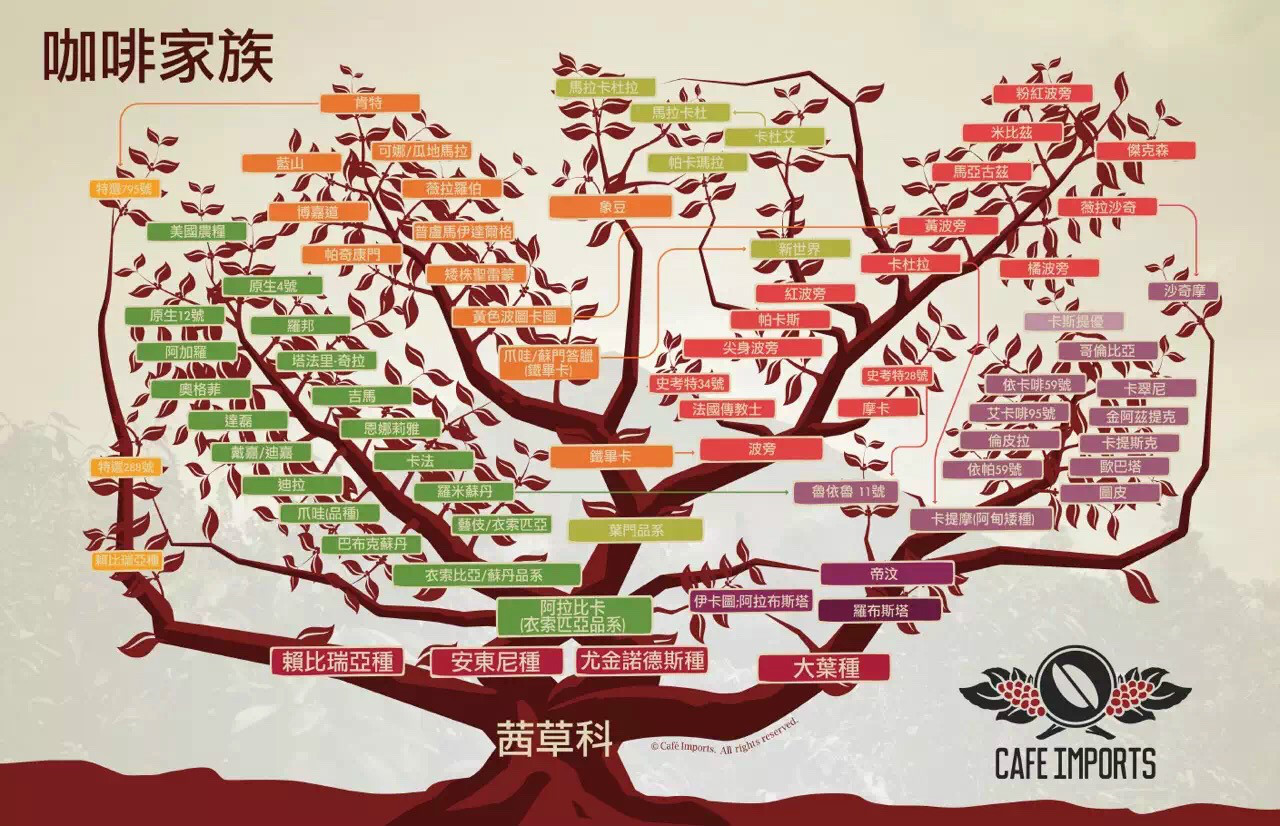
Arabica coffee bean variety iron pickup coffee bourbon coffee Rosa coffee which tastes better
Professional coffee knowledge exchange more coffee bean information please follow the origin of coffee in coffee workshop (Wechat official account cafe_style) Coffee: Africa is currently recognized as the birthplace of coffee the world's first coffee tree was found in the KAFFA province of Ethiopia in Africa. Local indigenous tribes often grind the fruit of coffee and knead it with animal fat to make Xu.

Coffee Learning: the History, legends and stories of Coffee
The early historical records of coffee are almost zero, so those are the stories that modern people know. As for what the facts are, there is no way to know. But we can also make some guesses about those legends, after all, this is almost the only way to know and explore the truth now. We can understand the history of coffee from several aspects.

A detailed description of the history of coffee and the origin of hand-brewed coffee
For professional baristas, please follow the coffee workshop (Wechat official account cafe_style) 2. The development of ulli coffee in Europe and the United States has lasted for a long time. The unique coffee leisure culture derived from it is even more fascinating to the formal oriental society. / li/ululli in today's Taiwan society, drinking coffee has become a fashion representative of urban customs.
Comprehensive knowledge of boutique coffee
Coffee distribution: coffee trees grow in the tropical or subtropical regions of the tropical or subtropical regions with the equator as the center and between the latitudes of 25 degrees south and north. At present, coffee is produced in more than 60 countries, widely distributed in South America, Central America, the West Indies, Asia, Africa, Arabia, the South Pacific and Oceania. In terms of output, Brazil, which accounts for the largest output in the world, is about